


Resources
Discover new tools and resources from GAGGA, with practical insights from our global network. Explore case studies, reports, and strategies to strengthen climate action, and gender and environmental justice efforts.
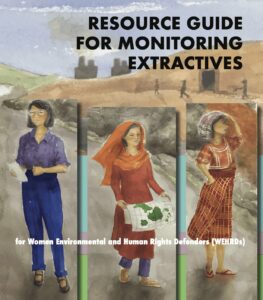
Resource guide for monitoring extractives
The “Resource Guide for Monitoring Extractives for Women Environmental and Human Rights Defenders (WEHRDs)” serves to support WEHRDs to investigate and monitor actual or potential negative mining impacts on their communities with particular attention to violations and impacts on women. Published: November 2019

‘Like Fish on Land’: Testimonies from People in Uganda and Laos After Being Displaced
This paper looks at four hydropower projects implemented in Laos (Nam Theun 2 and Nam Ou) and in Uganda (Bujagali and Karuma), describing the resettlement effects on local communities. These effects vary per case, and may include the loss of physical and non-physical assets, including homes, communities, productive land, income earning assets and sources, subsistence, resources,Continue reading “‘Like Fish on Land’: Testimonies from People in Uganda and Laos After Being Displaced”
WAMA Statement for the 2019 UN Forum
The Women in Action on Mining in Asia (WAMA) network issued a statement for the 2019 United Nations Forum on Business and Human Rights. They listed their demands for governments, IFIs and corporations to take action and deliver legally responsible commitments that uphold gender equality and international human rights principles. Published: November 2019
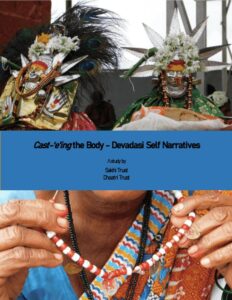
Devadasi Self-Narratives
The Devadasi system is a centuries-old Hindu religious practice in India which offers young girls in marriage to deities. These girls usually belong to the Dalit caste — the lowest of India’s social classes — and as ‘servants’ ordained by deities, Devadasis are ritually forced to offer sexual services upon attaining puberty. Devadasis are marginalisedContinue reading “Devadasi Self-Narratives”
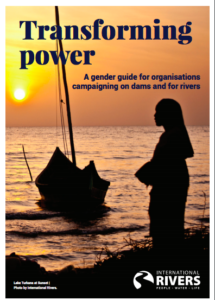
Transforming Power
How can we better include gender into our work? And how can this contribute to advancing women’s interests and rights, alongside those of men, in the context of dam development? Transforming Power was created as a tool to help civil society, non-governmental and community-based organizations strengthen their gender practice and encourage campaigning in ways thatContinue reading “Transforming Power”
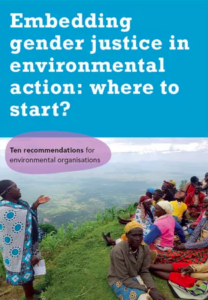
Embedding gender justice in environmental action: Where to start?
Environmental justice organisations increasingly recognise the importance of advancing gender equality and women’s rights as an intrinsic part of their work. They understand that environmental justice cannot be achieved without gender justice. Securing respect for women’s rights, including their access to and control over natural resources, is not only crucial within a rights-based perspective, itContinue reading “Embedding gender justice in environmental action: Where to start?”
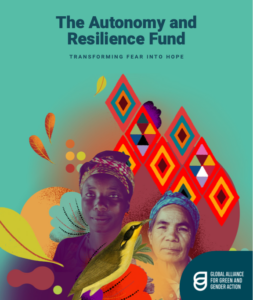
Report | The Autonomy and Resilience Fund
In response to the crisis and the needs of the movements it supports, the Global Alliance for Green and Gender Action (GAGGA) acted swiftly to create the Autonomy and Resilience Fund (ARF). Launched in May 2020, this one-time funding initiative aimed to address the urgent needs of women environmental defenders and their communities through theContinue reading “Report | The Autonomy and Resilience Fund”

A Guide to Women’s Rights and Environmental Justice Advocacy on International Financial Institutions
The world’s largest public development funders are the taxpayer-supported International Financial Institutions (IFIs). Their mission is to end extreme poverty and foster economic growth, while considering the role that climate change plays in both. However, IFI investments have often had a very different outcome for the poorest people in low and middle-income countries (LMICs). IFIsContinue reading “A Guide to Women’s Rights and Environmental Justice Advocacy on International Financial Institutions”
Analog Forestry: A Tool and an Approach for Ecological Restoration
We know the main issues we are facing on our planet. We have lost half of our forest – the source of our existence. Forests provide air, fresh water, wildlife, fuel, timber, the best soil, nutrients, and food. If current trends of soil depletion continue according to UN reports (2014)* we are sixty years harvestsContinue reading “Analog Forestry: A Tool and an Approach for Ecological Restoration”
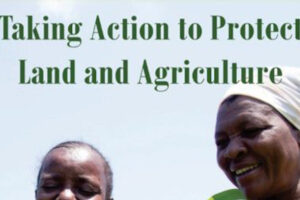
Taking Action to Protect Land and Agriculture
For the last two decades, most of the fertile land in Zimbabwe has been subject to land redistribution, male migration and mineral discoveries that have created a rush of speculators with little to no regulation, all of which has put vast pressures on the environment and agricultural production. Women, however, are increasingly coming together toContinue reading “Taking Action to Protect Land and Agriculture”